apparel and footwear Australia
-
Zara Clothing Wholesale Lots
Zara clothing lots Price range: $250.00 through $900.00Full pallet (200 items)Half pallet (100 items)Mini pallet (50 items)Clearklantenretours -
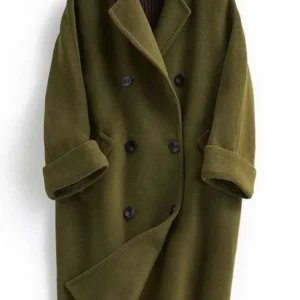
Zara Coats Wholesale Lots
Zara clothing lots Price range: $375.00 through $1,500.00Full pallet (200 items)Half pallet (100 items)Mini pallet (50 items)Clearklantenretours -
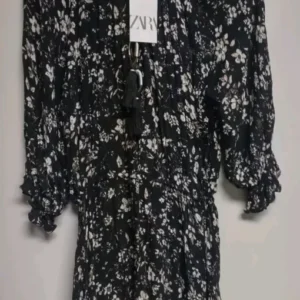
Zara Dresses Wholesale Lots
Zara clothing lots Price range: $250.00 through $1,000.00Full pallet (200 items)Half pallet (100 items)Mini pallet (50 items)Clearklantenretours -
Zara Jeans Wholesale Lots
Zara clothing lots Price range: $300.00 through $1,200.00Full pallet (300 items)Half pallet (150 items)Mini pallet (73 items)Clearklantenretours
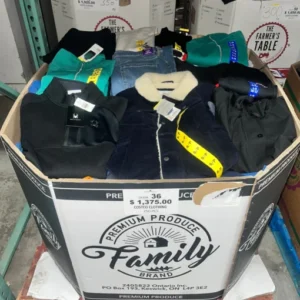
apparel and footwear Australia – wholesale stock for Australian resellersThis tag groups products connected with apparel and footwear Australia across the Australia Pallet Liquidations catalogue. Current examples may include Alo Yoga Activewear Wholesale Lots, Amazon Footwear Returns Pallets, Amazon Clothing Returns Pallets, Baggy Jeans Wholesale Lots, Halara Women’s Clothing Lots, Wholesale Sneaker Pallets. Use the products on this archive to compare what is currently listed, then open the individual product page for exact condition, quantity, pack size, images and ordering information.Buyers looking for apparel and footwear australia often want stock that can be evaluated for resale rather than generic retail shopping. Relevant buyers can include fashion resellers, boutiques, online clothing stores, market traders, depop-style sellers and businesses sourcing mixed apparel in bulk. Before purchasing, check size mix, gender or audience, season, style mix, tags, packaging, fabric condition, stains, returns indicators, brand mix and whether the lot is manifested. Because apparel margin depends on size distribution, seasonality, presentation and sell-through; a low unit cost can still perform poorly if the lot is concentrated in difficult sizes or dated styles, the most useful approach is to calculate landed cost and use realistic resale prices from the channels you actually operate.How to evaluate apparel and footwear AustraliaStart with the listing-specific information and treat this tag as a navigation aid, not as a guarantee that every tagged product has the same condition or contents. Include freight, handling, testing or cleaning, packaging, selling fees and expected markdowns in your cost model. Create size and style groups as soon as stock arrives, inspect for marks or missing tags, steam or present suitable items, photograph consistently, and use bundles for slower-moving sizes or complementary pieces.Frequently asked questions about apparel and footwear AustraliaIs apparel and footwear Australia suitable for resellers? It may be, depending on the individual lot, your customer base, condition mix and landed cost. Compare current listings with your own sales history.Can apparel and footwear Australia be shipped in Australia? Freight options depend on the destination, lot dimensions and carrier requirements. Confirm current delivery information for the postcode before ordering.What should I check before ordering? Review the product description, photos, available manifest information, condition notes, quantity and freight requirements. Ask for clarification when a detail materially affects your buying decision.Where can I learn more? Visit the About page for background on Australia Pallet Liquidations or use the Contact page for current stock and order questions.For buyers researching apparel and footwear australia in Australia, the most useful starting point is not a headline discount but a clear understanding of the lot being offered. Australia Pallet Liquidations uses this category page to help buyers compare wholesale stock with the information available for each listing. The practical details can include size mix, gender or audience, season, style mix, tags, packaging, fabric condition, stains, returns indicators, brand mix and whether the lot is manifested. Those details matter because apparel margin depends on size distribution, seasonality, presentation and sell-through; a low unit cost can still perform poorly if the lot is concentrated in difficult sizes or dated styles. A buyer who records the purchase cost, freight, handling time and likely selling fees can judge the opportunity more realistically than a buyer who compares only a pallet price with an estimated retail value. The purpose of this section is to make evaluating tagged stock easier to evaluate before an order is placed. Where a product listing gives more specific information than this guide, the listing should be treated as the primary source for that lot.The market for apparel and footwear australia can serve fashion resellers, boutiques, online clothing stores, market traders, depop-style sellers and businesses sourcing mixed apparel in bulk. Different buyers can look at the same stock and reach different conclusions because their sales channels, storage space, labour and customer base are different. A marketplace seller may prefer individually listable products, while a physical retailer may value a consistent category mix that can be priced quickly. A regional buyer may also face a different freight equation from a buyer close to a major metro area. That is why evaluating tagged stock should be considered together with destination, lot size and the buyer’s actual resale process. There is no universal margin that applies to every liquidation lot. Useful purchasing decisions come from combining lot-specific information with the buyer’s own sales history and cost structure.When comparing apparel and footwear australia, condition language deserves careful attention. Terms such as new, overstock, shelf-pull, open-box, customer return, mixed condition or untested can describe materially different stock. Photos and manifests can add useful context, but they do not replace the need to read the individual listing and ask questions when something important is unclear. Buyers should confirm size mix, gender or audience, season, style mix, tags, packaging, fabric condition, stains, returns indicators, brand mix and whether the lot is manifested. This is particularly important for apparel and footwear australia because apparel margin depends on size distribution, seasonality, presentation and sell-through; a low unit cost can still perform poorly if the lot is concentrated in difficult sizes or dated styles. Clear grading after arrival also improves downstream customer trust. Instead of using vague labels, resellers can define their own condition standards and apply them consistently across listings.